Zirdnok Logo Zirdnok

Teaching breathing the way it actually works

We started Zirdnok because too many people were learning breathing techniques from videos that skipped the basics. Real pranayama requires understanding your respiratory system, not just copying patterns.

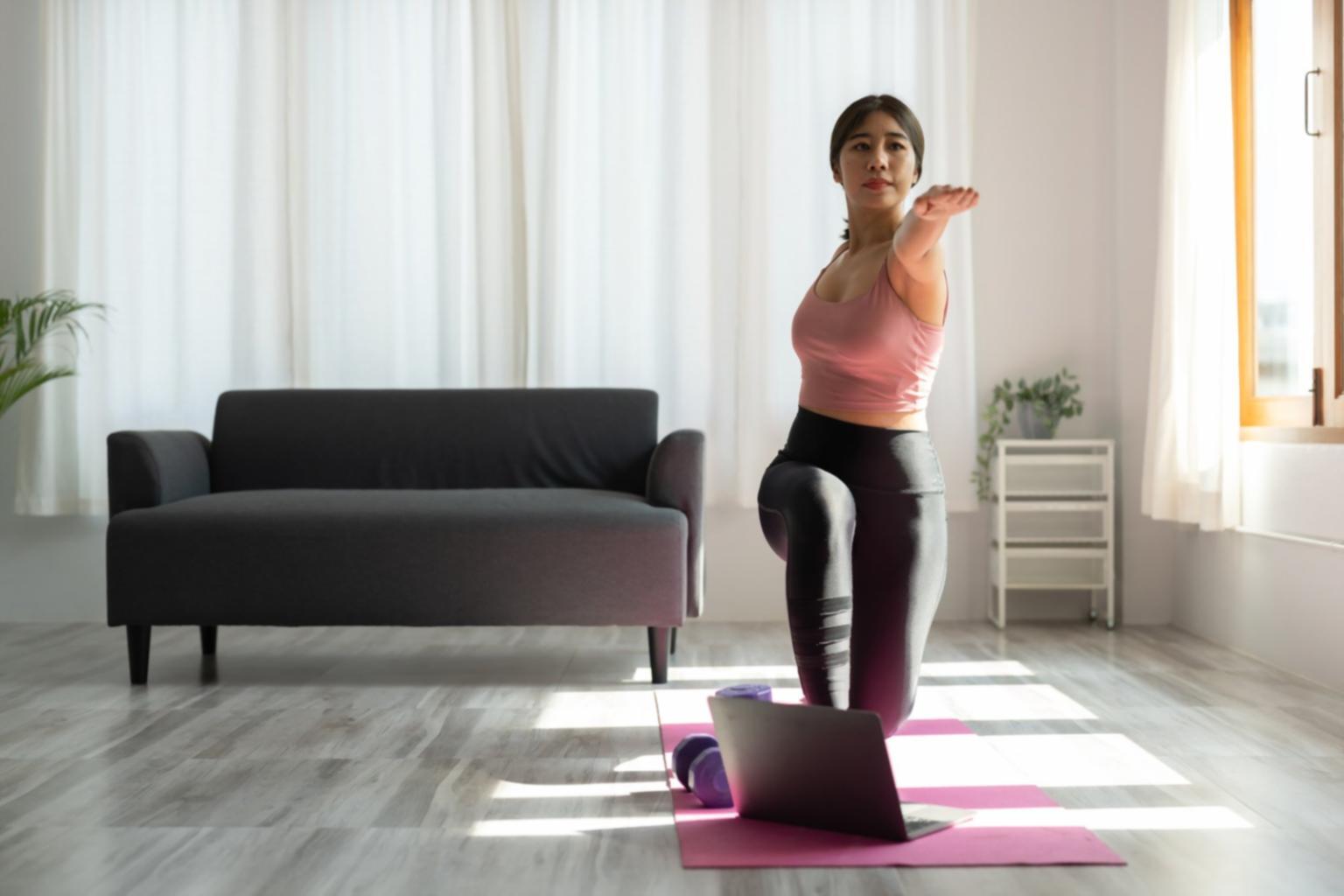
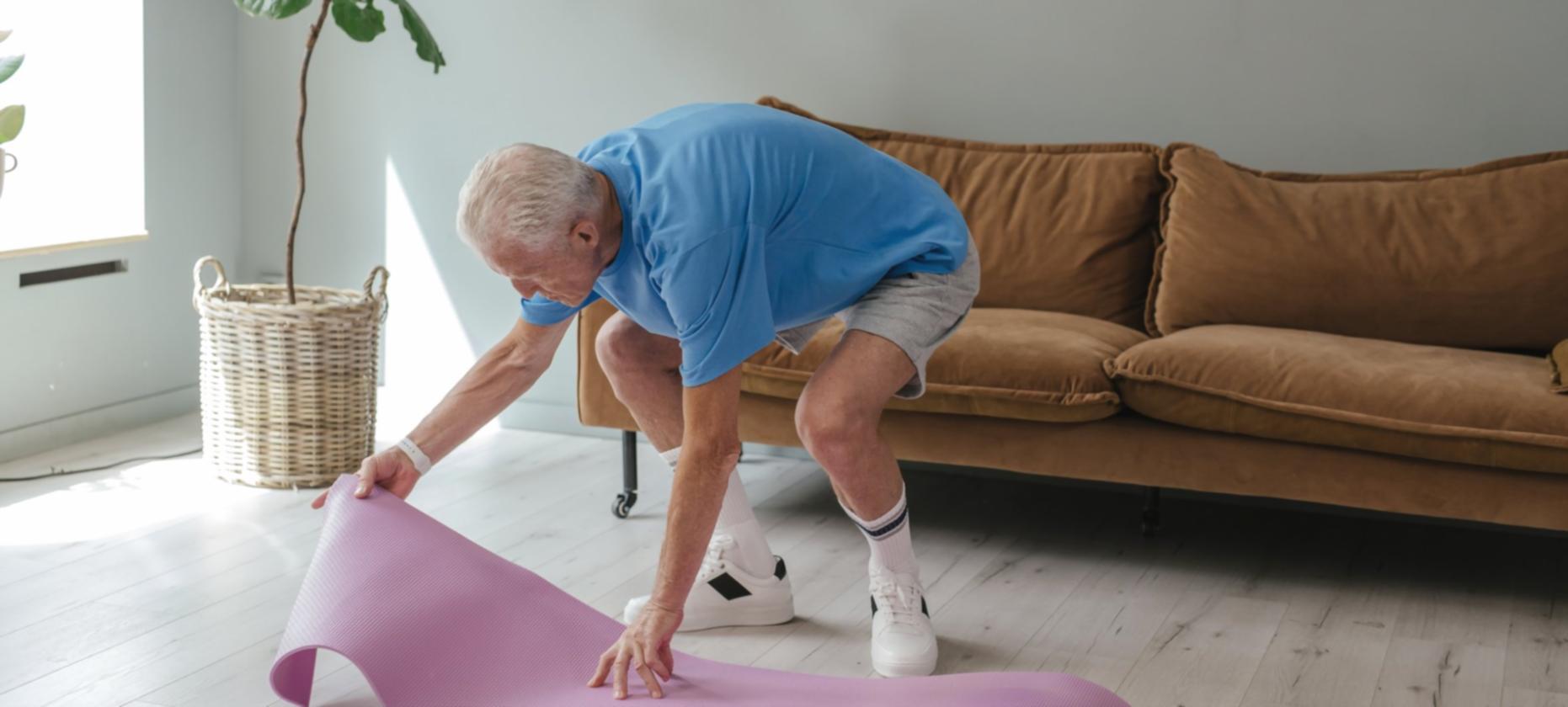
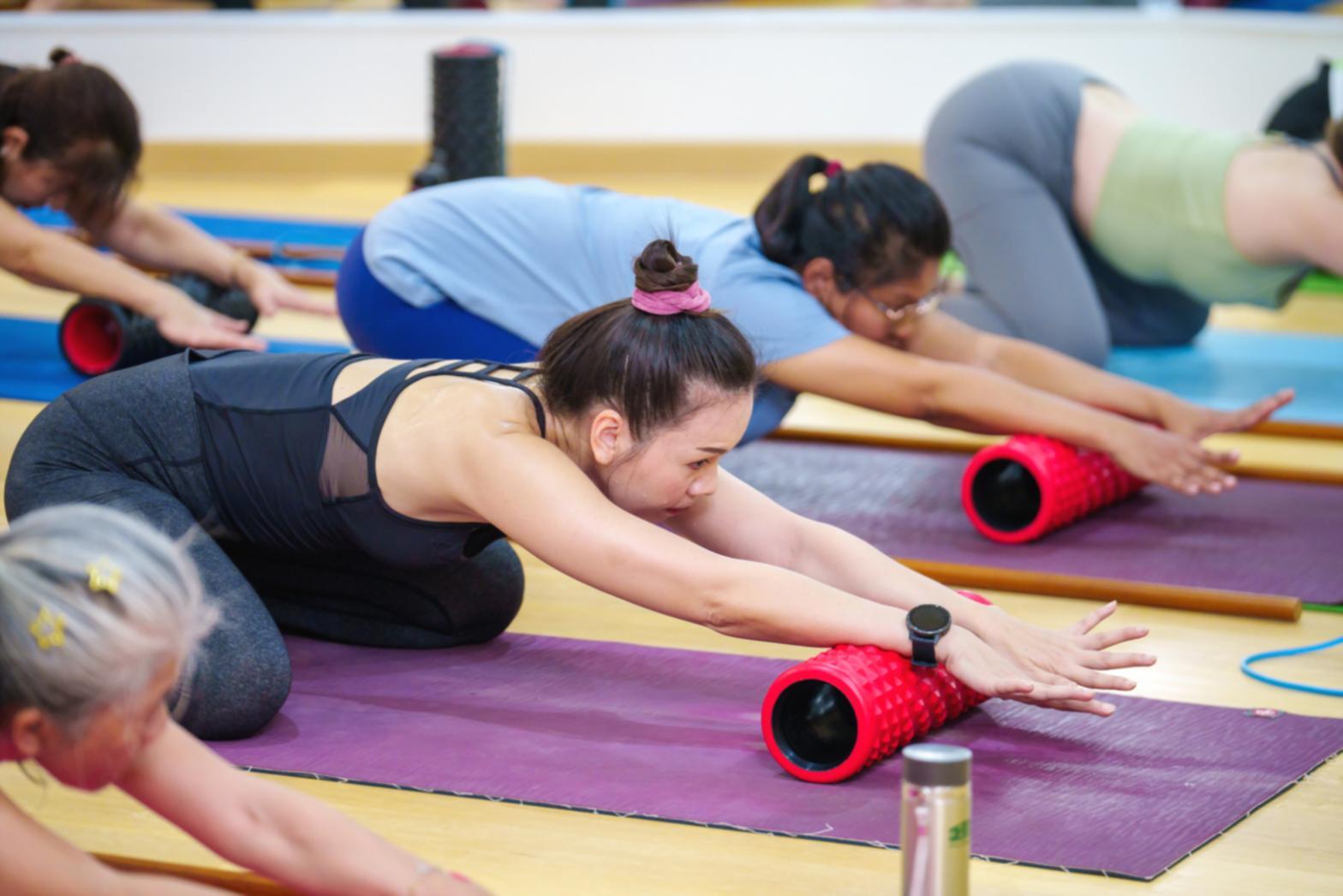
Student practicing diaphragmatic breathing technique Guided breath control session in progress Instructor demonstrating proper posture for breathing exercises Group learning session on pranayama fundamentals

We noticed something strange. People in our city were signing up for expensive yoga studios to learn breathing exercises, then getting frustrated when they couldn't practice properly at home. The instructions were vague. The pacing was wrong. The connection between technique and physiology was missing.

So we built an online platform that breaks down each breathing pattern into its mechanical components. How your diaphragm moves. Where air goes in your lungs. What happens to your nervous system when you hold your breath for specific counts.

Our courses don't promise instant calm or overnight transformation. They teach you the actual skills: controlling your breath rate, managing carbon dioxide tolerance, recognizing when you're breathing from your chest versus your belly.

Each lesson builds on the previous one. You learn basic diaphragmatic breathing before moving to alternate nostril techniques. You practice retention patterns before attempting advanced pranayama sequences. It's sequential because that's how your respiratory control develops.
How we structure the learning

Every course follows the same logic: start with awareness, build control, then add complexity. No shortcuts, no jumping ahead.

Mechanics first

You learn what your breathing muscles do before you try to control them. We show you the anatomy, explain the movement patterns, then guide you through isolated exercises that build specific muscle awareness.

Progressive difficulty

Simple patterns precede complex ones. You practice four-count breathing until it's automatic, then extend to six-count, then eight. Each level adds one variable so you're never overwhelmed.

Real-time feedback cues

Our videos include visual timers, breathing rate indicators, and verbal checkpoints. You know if you're too fast, too shallow, or losing the rhythm. Adjust and continue without guessing.

Who teaches these courses

Our instructors have formal training in both yoga tradition and respiratory physiology. They know how pranayama works on paper and in practice. They've taught hundreds of students, refined their methods based on what actually helps people improve, and built curricula that address common sticking points.

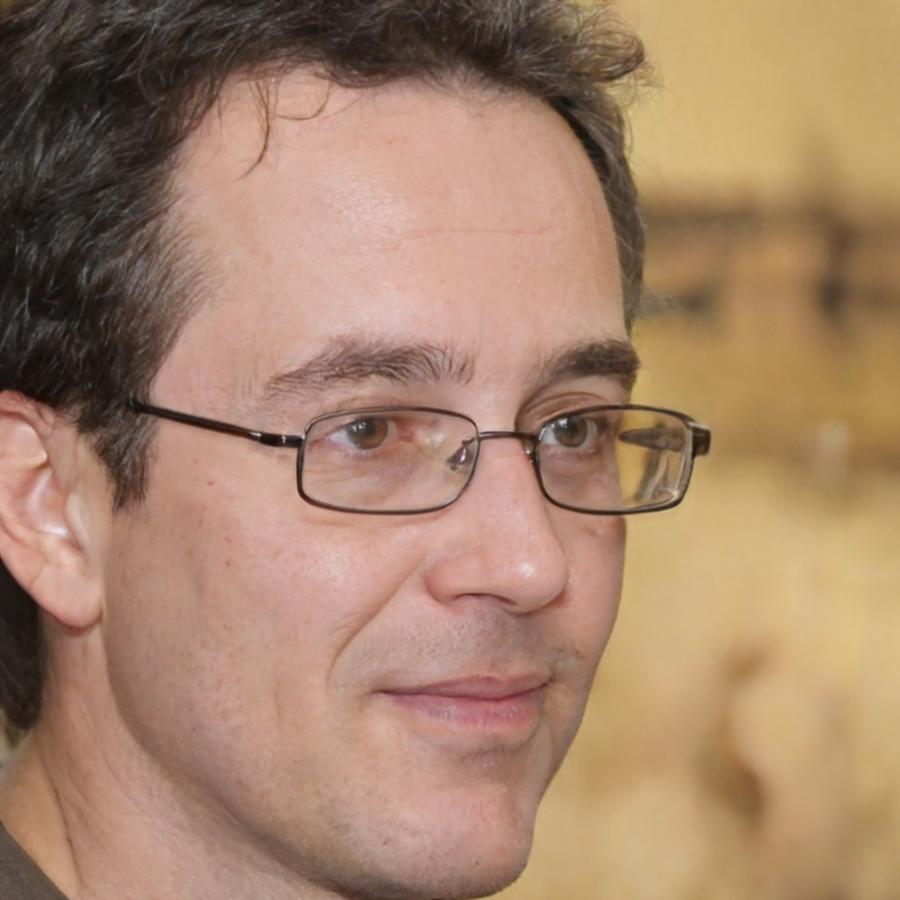
Henrik Vestergaard portrait

Henrik Vestergaard

LEAD BREATH INSTRUCTOR

Henrik spent six years studying pranayama in traditional settings before earning certification in respiratory therapy. He designs our course sequences and personally reviews every lesson for technical accuracy.

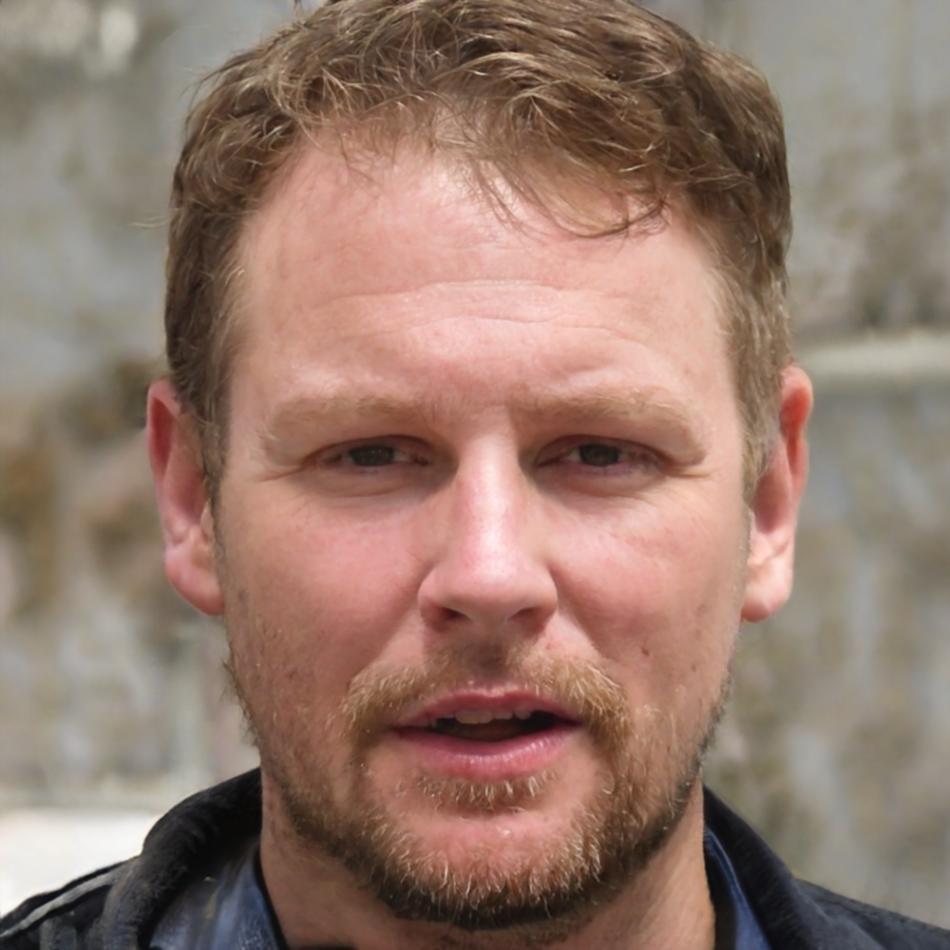
Dimitri Volkov portrait

Dimitri Volkov

PROGRAM COORDINATOR

Dimitri structures learning progressions. He tests every course with new students, identifies where people struggle, and adjusts pacing and instruction until completion rates improve.

What drives our teaching methods

Clarity over style

We use plain language. If a Sanskrit term helps explain a concept, we use it and define it. If English works better, we stick with that. The goal is understanding, not vocabulary.

Practice over theory

Every lesson includes more practice time than explanation. You spend most of your course time actually breathing, not listening to lectures. Theory frames the work, but the work itself builds the skill.

Accessibility over exclusivity

Our courses are designed for city residents with full schedules. Lessons are 15 to 25 minutes. You can practice anywhere with space to sit. No special equipment, no specific time of day required.